Traditional service does not always fail because an individual cannot be located. In many matters, the problem is that traditional methods are no longer effectively reaching them.
Verified Digital Service provides a structured process for determining whether validated digital communication channels may provide an additional path to notice.
Verified Digital Service, or, VDS, is a structured litigation support process designed to evaluate whether identifible digital communication channels provide a defensible path to notice.
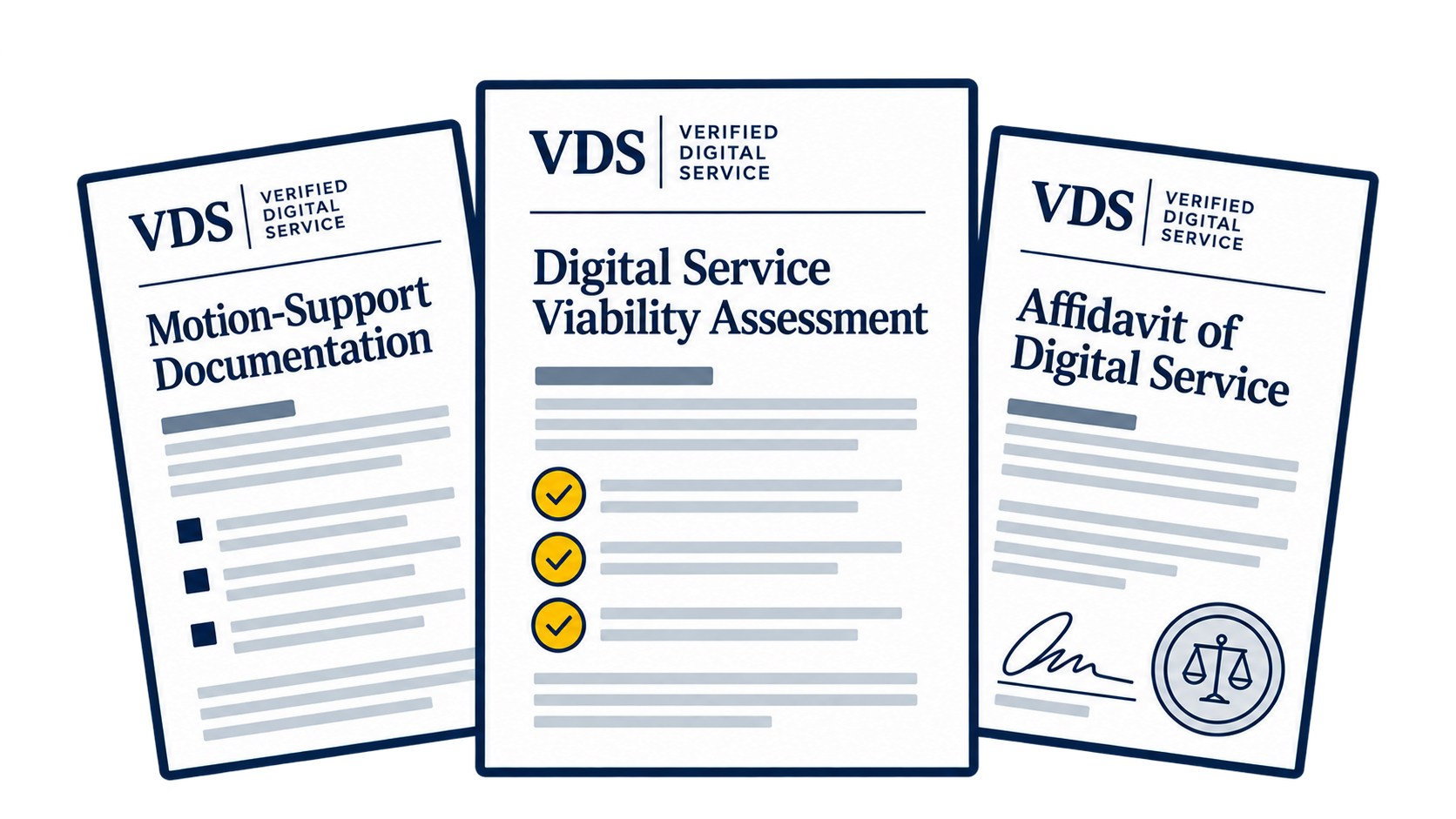
Every matter begins with a Digital Service Viability Assessment.
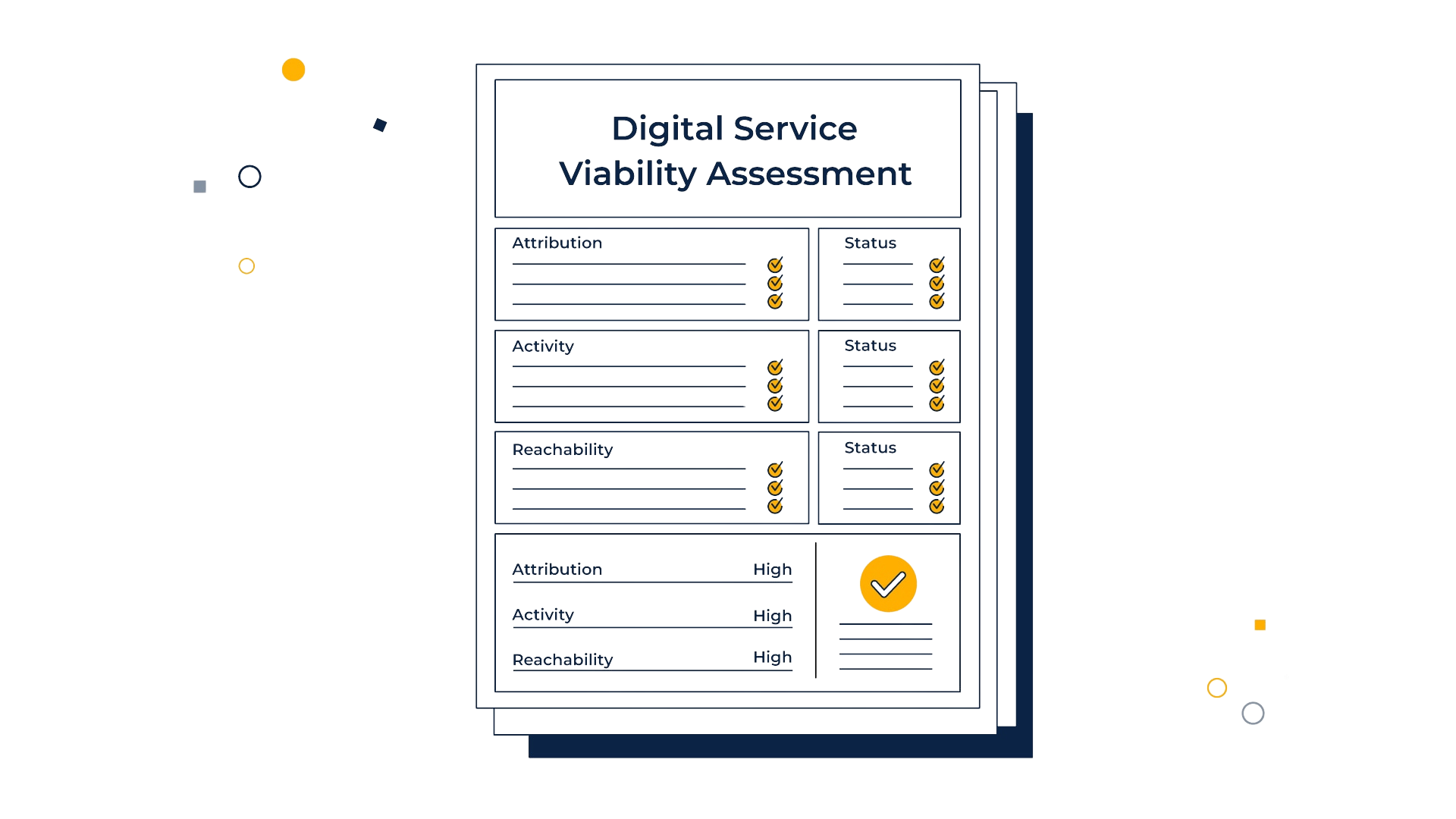
The assessment evaluates identifiable digital channels to determine whether they can be reliably attributed to the subject, whether they remain active, and whether they are capable of receiving direct communication.
If the findings support alternate service, the assessment may be used by counsel in support of a motion requesting court authorization for digital transmission.
If authorized by the court, VDS can then execute anmd document digital service through the validated channels identified during the assessment.
In many matters, service doesn not fail because the subject cannot be identified or located.
Instead, the issue is that traditional methods are no longer effectively reaching them.
It is determining whether they are:
At the same time, many individuals maintain active and identifiable digital communication channels that may provide a more reliable path to notice when properly evaluated and documented.
The challenge is not simply identifying those channels.
When traditional service efforts stall, Verified Digital Service provides a structured process for evaluating whether digital communication channels may offer a defensible additional path to notice.
Watch this brief overview of the assessment, court authorization, digital transmission and documentation process.
You do not need to know whether digital service is viable before contacting us. That is what the assessment is designed to determine.
Let's Talk About Your CaseVDS separates evaluation from execution. Digital service is not presumed to be appropriate simply because traditional service has failed.
PHASE ONE
The process begins by identifying potential digital communication channels and evaluating whether they provide a defensible path to notice.
Each identified channel is evaluated across three core criteria:
The completed assessment documents the findings and reaches one of two conclusions:
PHASE TWO
When the assessment supports alternate service, counsel may use the findings in requesting court authorization for digital transmission.
The court determines whether alternate service is authorized.
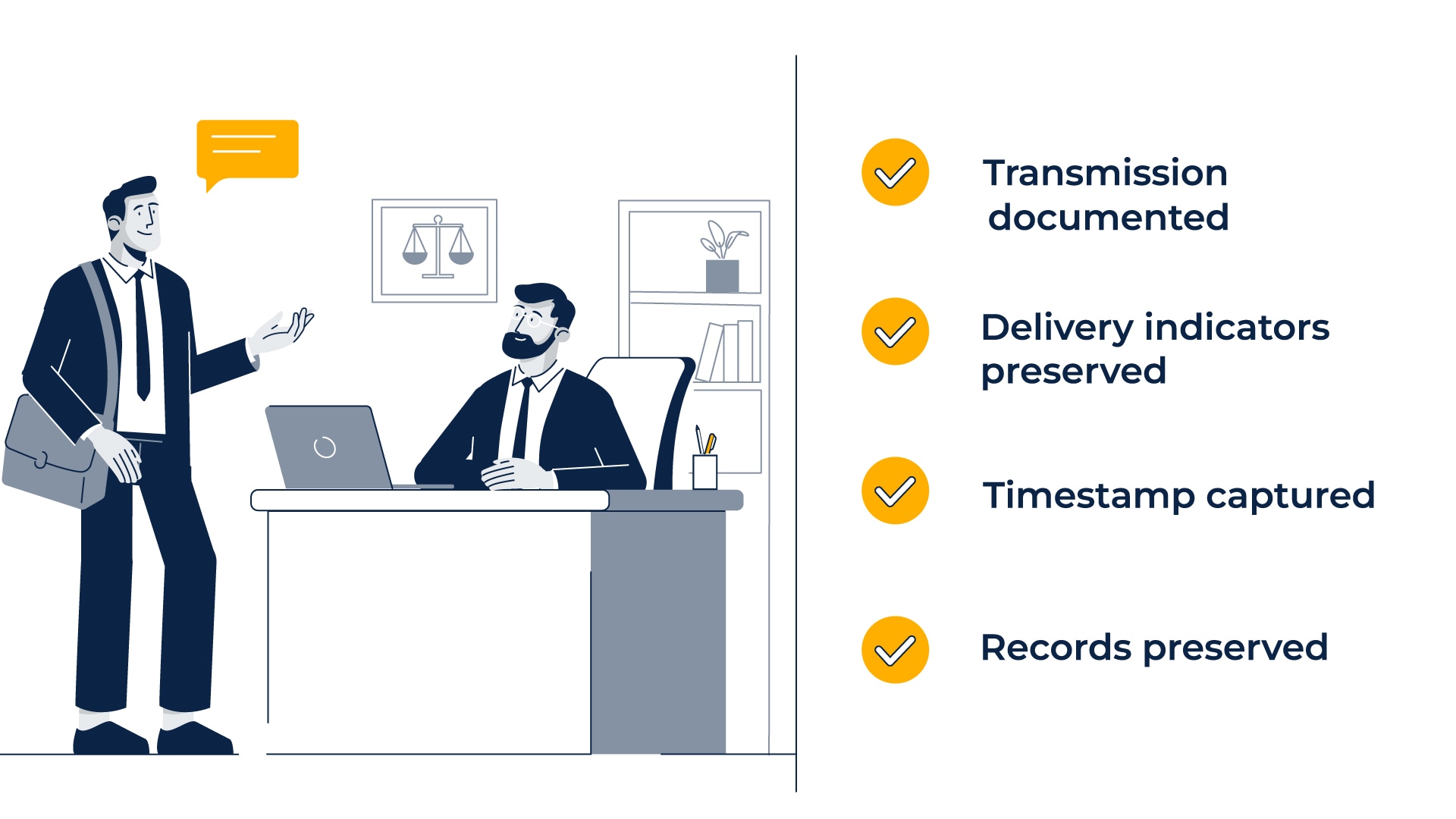
Once authorized, VDS executes digital transmission through the approved validated channels and preserves records associated with the service effort.
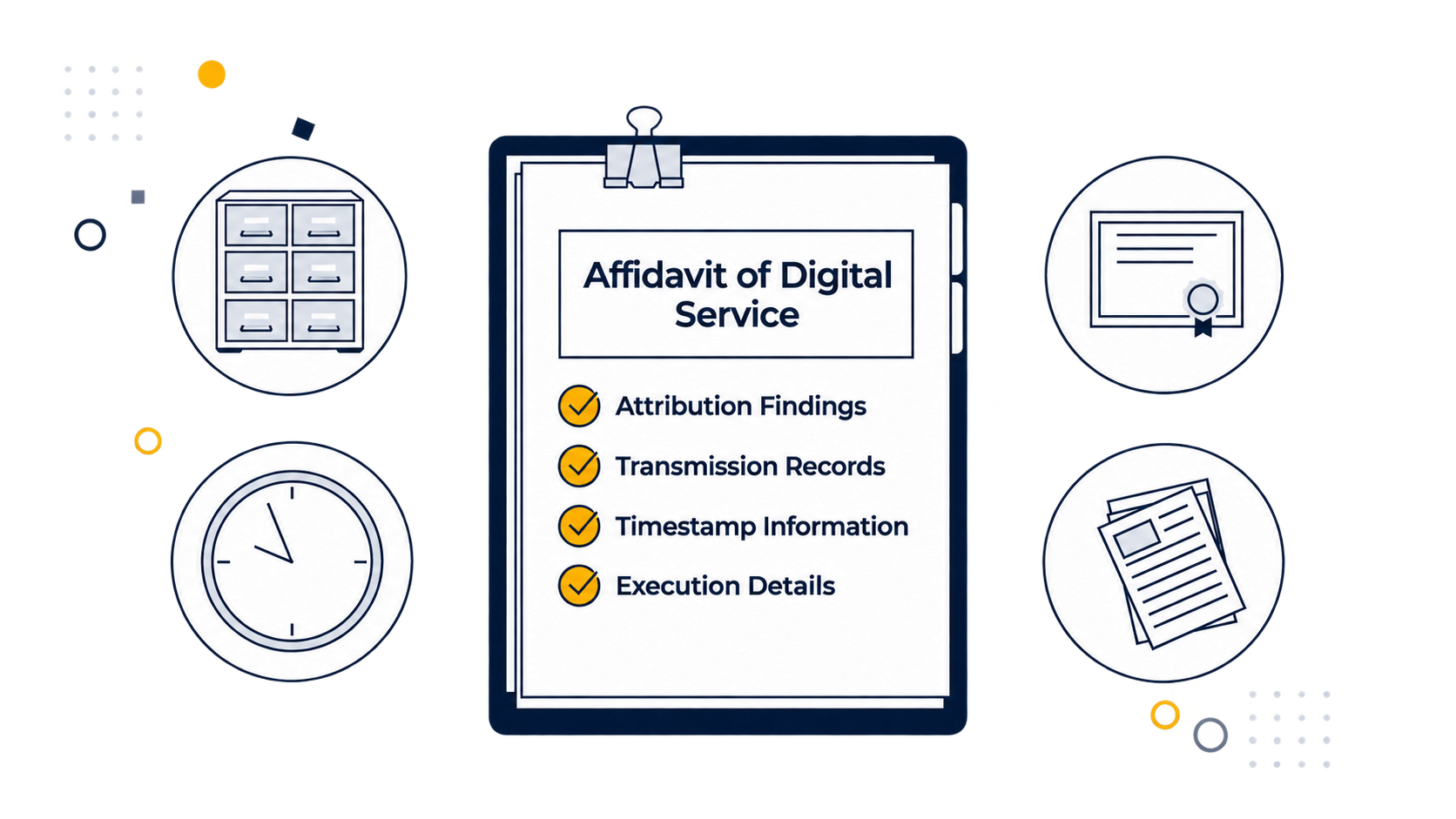
Depending on the authorized method, documentation may include:
Where digital service is performed, VDS prepares an Affidavit of Digital Service documenting the actions taken.
Traditional methods of alternate service may remain appropriate and, in many matters, will continue to be part of the court-authorized service process.
VDS does not exist to replace those methods.
It provides an additional means of reaching an individual when identifiable and active digital communication channels exist.
When properly evaluated and authorized, adding validated digital channels can increase the likelihood of actual notice when traditional methods are no longer effectively reaching the subject.
A Digital Service Viability Assessment may be appropriate when traditional service is failing, trending toward non-service, or appears unlikely to reach the intended recipient.
01
02
03
04
05
You do not necessarily need to wait until every traditional service option has been exhausted to determine whether a viable digital path exists.
VDS is designed to provide counsel with a documented record at each stage of the process.
If traditional service has stalled or appears unlikely to succees, we can help determine whether identifiable digital channels provide another viable path to notice.
You do not need to determine viability before contacting us.
Discuss a Matter
A litigation support process developed by ASG Investigations
© 2026 ASG Investigations. All rights reserved.